
GEO
What makes RankWell AI different from other SEO agencies?
In the AI era, SEO helps you get seen. GEO helps you get cited.
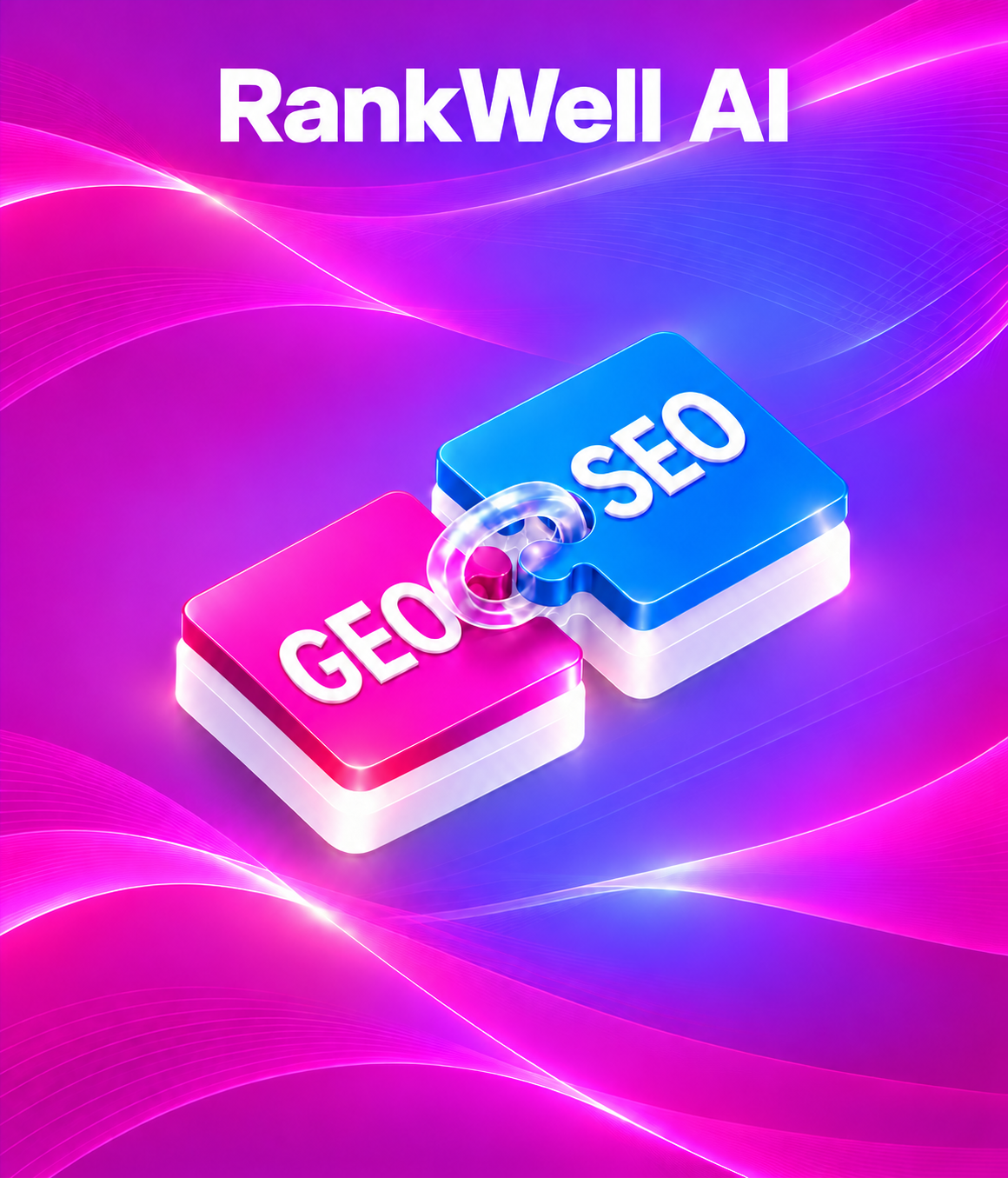
A new formula for traffic: SEO + GEO, two engines working together
In the AI era, SEO helps you get seen. GEO helps you get cited.
SEO and GEO work together across two discovery channels: traditional search results and AI answers. You don’t have to choose between them.
RankWell AI brings both into one coordinated system for content, technology, and marketing execution. We build valuable content and a strong foundation for crawling and indexing, while making your information clearer, more credible, and easier to cite—so your brand can be found and accurately understood.
SEO builds the foundation for the long term
From site structure, crawl access, and internal links to page experience, we strengthen the foundations that help your content get discovered and indexed. We also develop distinctive content that becomes a lasting asset for your business’s search presence.
SEO’s moat: Four content assets that are difficult for AI to replace
1. Firsthand data and original research
Develop original content from field research, product testing, project observations, and business data. Document the sources, methods, and conclusions to provide unique, verifiable information.
2. Authentic customer reviews and user-generated content (UGC)
Build a collection of genuine reviews, customer experiences, and feedback. Preserve the specific context and original sources, so your brand’s value is supported by real customer experiences.
3. Brand authority
Build a traceable record of industry credentials, media citations, professional achievements, and project experience. Support your industry standing with content and evidence.
4. Expert analysis: Experience + judgment
Bring practical experience, analytical reasoning, and professional judgment into your content. Explain why a conclusion holds, how to put it into practice, and when it applies, offering value beyond basic summaries.
GEO expands your visibility and helps you capture new AI traffic
Building on SEO, we refine how your information is structured, which questions it addresses, and the evidence behind it, making your content easier to retrieve and use in AI answers.
The GEO playbook: Five ways to make your content easier for AI to cite
1. Schema markup: Make information relationships clear
Use structured data types such as Organization, LocalBusiness, and Article according to the page’s content. Use FAQPage and HowTo where they match actual questions and instructions.
Through formats such as JSON-LD, describe the relationships between the business, the author, and the page’s content. Keep the markup consistent with what visitors can see on the page.
2. Make content citable: Data + evidence + conclusions
Identify data sources, timeframes, and the conditions under which findings apply. Pair clear conclusions with evidence and explanation, so key passages can be understood, verified, and cited on their own.
3. Use FAQs to answer real questions
Organize content around the questions customers actually ask. Give a direct answer first, then add relevant conditions, supporting evidence, and examples. Keep each question focused on one topic, with enough context for the answer to stand on its own.
4. Build third-party evidence on authoritative platforms
Present verifiable brand information through industry media, professional networks, research reports, and sources such as Wikipedia, where inclusion and editorial requirements are met.
Keep your company name, core services, and descriptions of your expertise consistent across these sources.
5. Monitor your brand’s visibility in AI search
Regularly test a consistent set of questions relevant to your business and target cities. Track whether your brand is mentioned, which pages are cited, whether the description is accurate, and how competitors appear.
Use those findings to guide your next content and optimization priorities.